


Caravans

Caravan wheel bearings operate under unique and demanding conditions that place them under significantly greater stress than those in a standard towing vehicle. When your caravan is fully loaded for a regional adventure, the weight distribution places enormous pressure on the bearings, particularly during long stretches of highway driving where sustained speeds and continuous rotation generate heat and friction.
Long regional hauls from the Mornington Peninsula through Victoria's inland areas—whether heading to the Grampians, Ballarat, or beyond—involve extended periods of high-speed travel combined with variable road surfaces. Unsealed sections, rough regional roads, and changing terrain all contribute to premature bearing wear. Additionally, temperature fluctuations as you travel between coastal and inland areas, dust ingress from regional roads, and the accumulated vibration from hours of continuous towing all accelerate degradation of the bearing races and rollers.
Unlike vehicles that operate under relatively consistent conditions, caravans experience irregular use patterns with long periods of inactivity between trips. This makes bearings particularly vulnerable to corrosion and moisture penetration, which can cause bearing failure even when the caravan hasn't been used for several months.
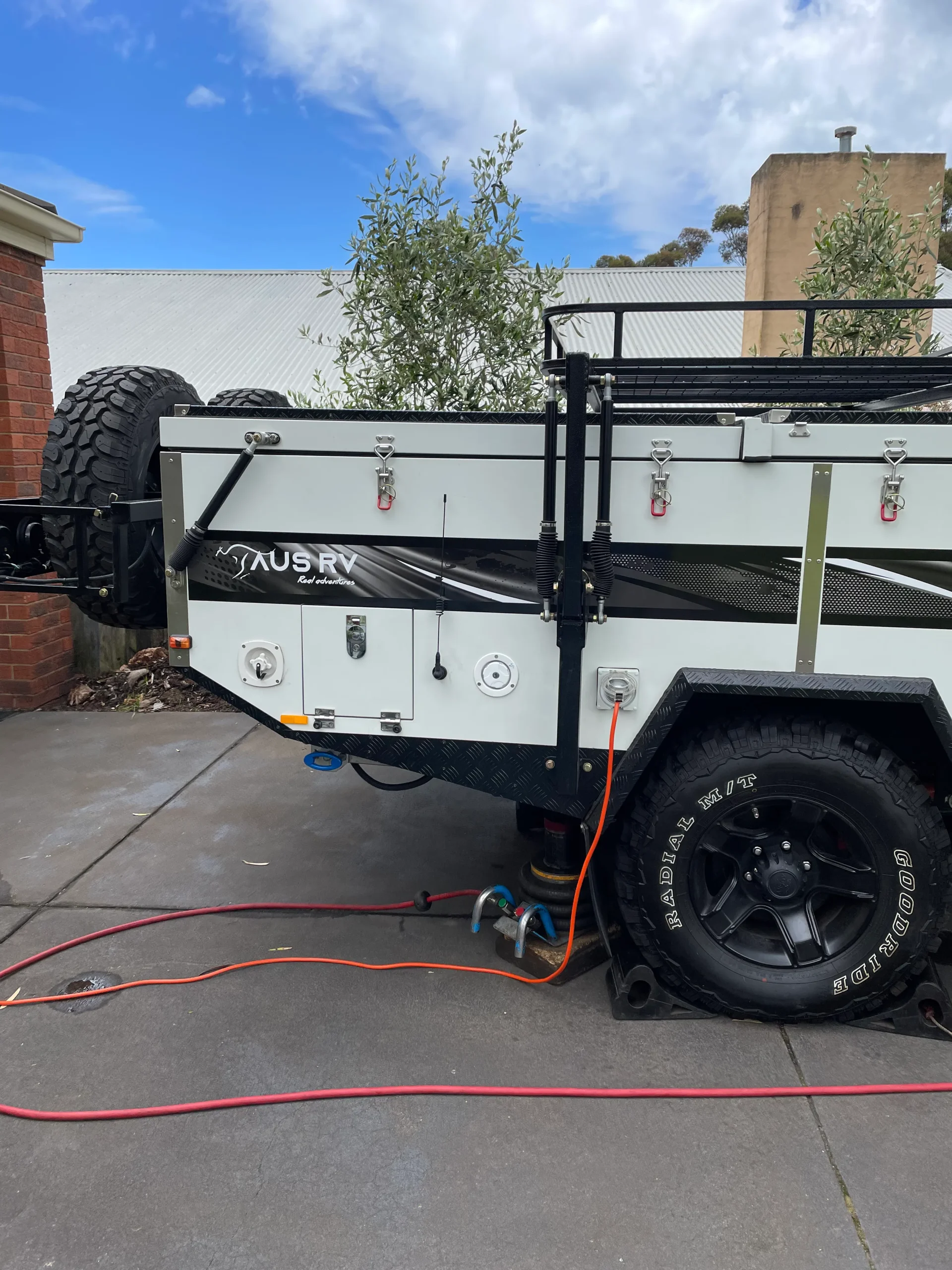
Most caravans use tapered roller bearings, which consist of an inner race, outer race, rolling elements, and a cage. These bearings are packed with grease that serves as both lubricant and a seal against moisture and contaminants. Over time, this grease breaks down, moisture enters, and the bearing races develop micro-damage that eventually leads to complete failure. Understanding this progression helps you recognise when intervention is needed.
Early warning signs include a subtle grinding or rumbling noise from the wheel area, a slight vibration felt through the caravan chassis at highway speeds, or warmth radiating from the wheel hub after a long drive. Some owners notice uneven tyre wear or find that the caravan pulls slightly to one side when towing. These symptoms indicate that bearing degradation is already underway, and waiting longer risks a catastrophic failure that could strand you on a remote regional road far from mobile coverage or assistance.
A common misconception is that bearings only fail suddenly. In reality, most caravan bearing failures develop gradually, giving you a window of opportunity to address them if you know what to look for. Regular physical inspection and testing—not just listening for noise—is crucial for catching problems before they become dangerous.
Industry best practice recommends bearing inspection and repacking every 12 months or every 10,000 kilometres of towing, whichever comes first. For caravans regularly doing long regional hauls—such as frequent trips from the Mornington Peninsula to inland Victoria—this schedule prevents the majority of bearing-related failures. The process involves removing the wheel and hub assembly, carefully inspecting the bearing races and rollers for pitting or discoloration, cleaning out old grease, and repacking with fresh, high-quality bearing grease.
A thorough inspection by a qualified technician will reveal the condition of the bearing races themselves. If any pitting, corrosion, or scoring is visible, the entire bearing assembly should be replaced rather than simply repacked, as damaged races will continue to fail prematurely. This assessment is impossible to make without removing and inspecting the bearings, which is why visual-only inspections or listening for noise are inadequate for preventative maintenance.
For caravans used seasonally or kept in storage for extended periods, an inspection before departure is essential, even if the calendar hasn't yet reached your 12-month mark. Salt air and moisture on the Mornington Peninsula, combined with inactivity, accelerate corrosion of bearing components. A pre-trip inspection takes just a few hours but can save you from a breakdown hundreds of kilometres inland.
The best time to address wheel bearing maintenance is before you embark on a long regional haul, not during one. If your caravan bearings are approaching their 12-month service interval or you're unsure when they were last serviced, scheduling an inspection now—before the peak touring season—ensures you can travel with confidence. A reputable caravan and trailer specialist can complete the work efficiently and identify any other wear items that might cause problems on the road.
During your inspection appointment, ask your technician to document the condition of the bearings with photos or notes. This creates a baseline for future services and helps you understand your caravan's specific maintenance needs. Some bearing failures are accelerated by poor wheel alignment or brake imbalance, which your technician can also assess and correct during the same service visit.
Factor bearing maintenance into your caravan ownership budget as a non-negotiable expense, similar to tyre replacement or annual registration. The cost of repacking bearings every 12 months—typically $150 to $300 per axle—is a fraction of the expense and stress involved in recovering a failed caravan on a remote regional road. For vintage caravans or those with older bearing components, more frequent inspections may be justified.



Designed & Developed by CJ Digital